
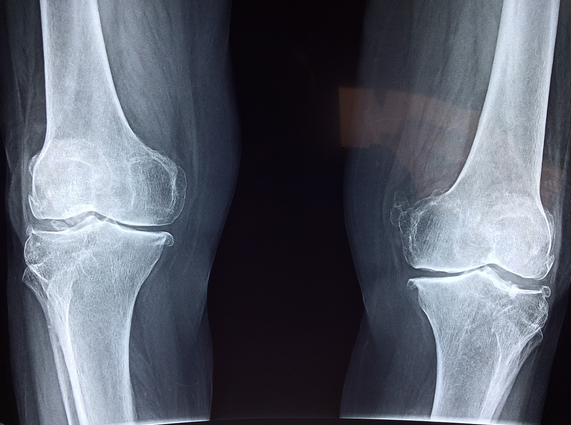
As we age, our bones become more vulnerable to weakness and damage. It’s important to recognize the signs and symptoms of weak bones early on before they lead to serious complications such as fractures or osteoporosis. It is known that some people who have a feeling that their bones are starting to weaken take the best supplement. Here, we will explore the common indicators of weak bones that you should be aware of to maintain your bone health and overall well-being.
Bone Pain

Bone pain is a common sign of weak bones and can manifest in various ways. Depending on the severity of bone weakness, it may occur as a dull ache or a sharp stabbing sensation. The onset of bone pain may be sudden or gradual and can affect any body part where bones are present. One possible cause of bone pain is osteoporosis, which results from decreased bone density due to age, hormonal changes, lack of exercise, and poor nutrition. Other factors contributing to weak bones include smoking, excessive alcohol consumption, and certain medications. If you experience persistent bone pain without an obvious cause, such as injury or strain, seeking medical attention promptly is essential. A doctor can conduct tests such as X-rays, or magnetic resonance imaging (MRI) scans to determine the root cause of your discomfort.
Height Loss
As we age, it’s common to experience a loss of height. This can be due to various factors, such as compression of the spine or weakened bones. However, if you are experiencing a noticeable decrease in height, it may be a sign of weak bones. One reason for this is osteoporosis – a condition characterized by bone loss and weakness. As your bones weaken, they become more prone to fractures and deformities, leading to spinal compression and resulting in decreased height. Another factor that contributes to height loss is poor posture. If you consistently slouch or hunch over, it puts pressure on your spine and causes unnecessary wear and tear on the vertebrae.
Fractures
 Fractures, also known as broken bones, are a common symptom of weak bones. Osteoporosis is a disease that causes bones to become brittle and more prone to fractures. A fracture can occur from something as simple as bending over or even coughing too hard. Compression fractures are among the most common types of fractures in people with weak bones. This occurs when the vertebrae in the spine collapse due to weakened bone density. Compression fractures can cause severe back pain and loss of height. Another type of fracture that is common in people with weak bones is a wrist fracture.
Weak bones can lead to serious health problems such as osteoporosis and fractures. It is important to pay attention to the signs and symptoms of weak bones, which include bone pain, height loss, and fractures. If you experience any of these symptoms, you must talk with your healthcare provider about getting a bone density test or other diagnostic tests. By taking preventive measures such as eating a balanced diet rich in calcium and vitamin D, engaging in weight-bearing exercises regularly, quitting smoking, limiting alcohol intake, and considering supplements if necessary, we can prevent or manage this condition effectively. With the right early care, we can ensure strong, healthy bones for years to come.