

If you’re hitting the gym regularly and watching what you eat but still not feeling your best, you’re not alone. A lot of men find themselves stuck in that frustrating middle ground—doing everything “right” but still battling low energy, stubborn weight gain, or dips in mood and motivation. It’s easy to assume you just need to train harder or clean up your diet even more. But what if there’s something else going on under the surface? For many men, the missing link in their health isn’t their effort—it’s their hormones.
Hormones Are the Foundation You Can’t Ignore

Your hormones impact everything from your metabolism and muscle mass to your focus and emotional well-being. Testosterone, in particular, is one of the key players in men’s health. When it’s in balance, it supports strength, energy, and a sense of drive. When it’s not, things start to shift—slowly at first, then noticeably. If you’ve been working out consistently but seeing fewer results, or you’ve noticed a drop in motivation or libido, hormone levels could be playing a larger role than you think.
More Men Are Turning to Hormone Therapy
As awareness grows around hormonal health, many are exploring targeted solutions to get back on track. Some have found success through testosterone therapy treatments, which offer personalized plans designed to restore optimal hormone levels. These treatments go beyond just masking symptoms—they aim to correct the imbalance at its source. With medical oversight and tailored dosing, men are seeing improvements not just in energy and performance, but also in mental clarity, confidence, and overall quality of life.
Low Testosterone Symptoms Might Hide the Truth

Low testosterone doesn’t always announce itself loudly. It can show up in subtle ways—like waking up tired despite a full night’s sleep, losing interest in activities you used to love, or struggling to stay focused during the day. Physically, you might notice increased body fat, reduced muscle definition, or a longer recovery time after workouts. These changes are often misattributed to stress or age, but they can be strong indicators of a hormonal imbalance that needs attention.
Fitness Plateaus Might Not Be Your Fault
If your workouts feel less effective or your gains have stalled, it might not be due to your training plan. Hormones directly impact how your body builds and repairs muscle. Low testosterone can limit muscle development and make it harder to burn fat, even with a solid workout routine. When hormones are optimized, many men find that their results improve dramatically—without needing to overhaul their entire fitness program.
Diet Helps, But It’s Not the Whole Picture
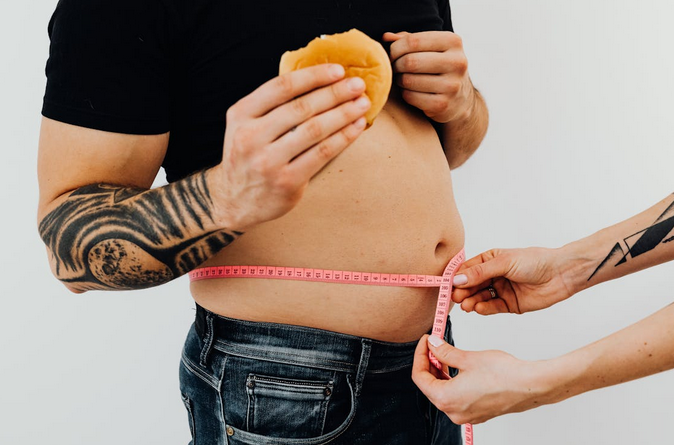
Eating clean is important, but it’s not always enough to correct underlying hormonal issues. In fact, overly restrictive diets can sometimes make things worse by stressing the body or reducing key nutrients needed for hormone production. While whole foods, healthy fats, and regular meals support good hormone function, you may still need a deeper intervention if your body isn’t producing enough testosterone naturally.
Mental and Emotional Health Are Tied in
Hormonal imbalances don’t just affect your body—they affect your mind, too. Low testosterone has been linked to mood swings, irritability, brain fog, and even mild depression. If you’ve been feeling off emotionally but can’t quite put your finger on why, hormones could be the missing piece. Addressing this issue often leads to clearer thinking, better stress resilience, and a more positive outlook overall.
There’s no denying that diet and exercise are essential to men’s health—but they’re not the whole story. If you’re doing all the right things and still not feeling like yourself, it might be time to look deeper. Hormonal health, especially testosterone levels, plays a crucial role in how you perform, think, and feel. Recognizing that connection is the first step toward real, lasting change—and it could be the missing link you’ve been searching for.